




Discover the Sustainable Festival Experience: Eco Friendly Festivals and Green Living Tips
Sustainable festivals are more than just events; they represent a movement towards eco-friendly living and community engagement. As awareness of environmental issues grows, many festival-goers seek experiences that align with their values, emphasizing sustainability and responsible practices. This article explores the essence of sustainable festivals, highlighting key principles, practical tips for planning and participation, and the role of community in fostering a greener future. By understanding what defines a sustainable festival experience, readers can make informed choices that contribute to environmental preservation and community well-being. We will delve into the principles of eco-friendly festivals, the initiatives of Big Green Gathering, and essential tips for attendees and organizers alike.
What Defines a Sustainable Festival Experience?
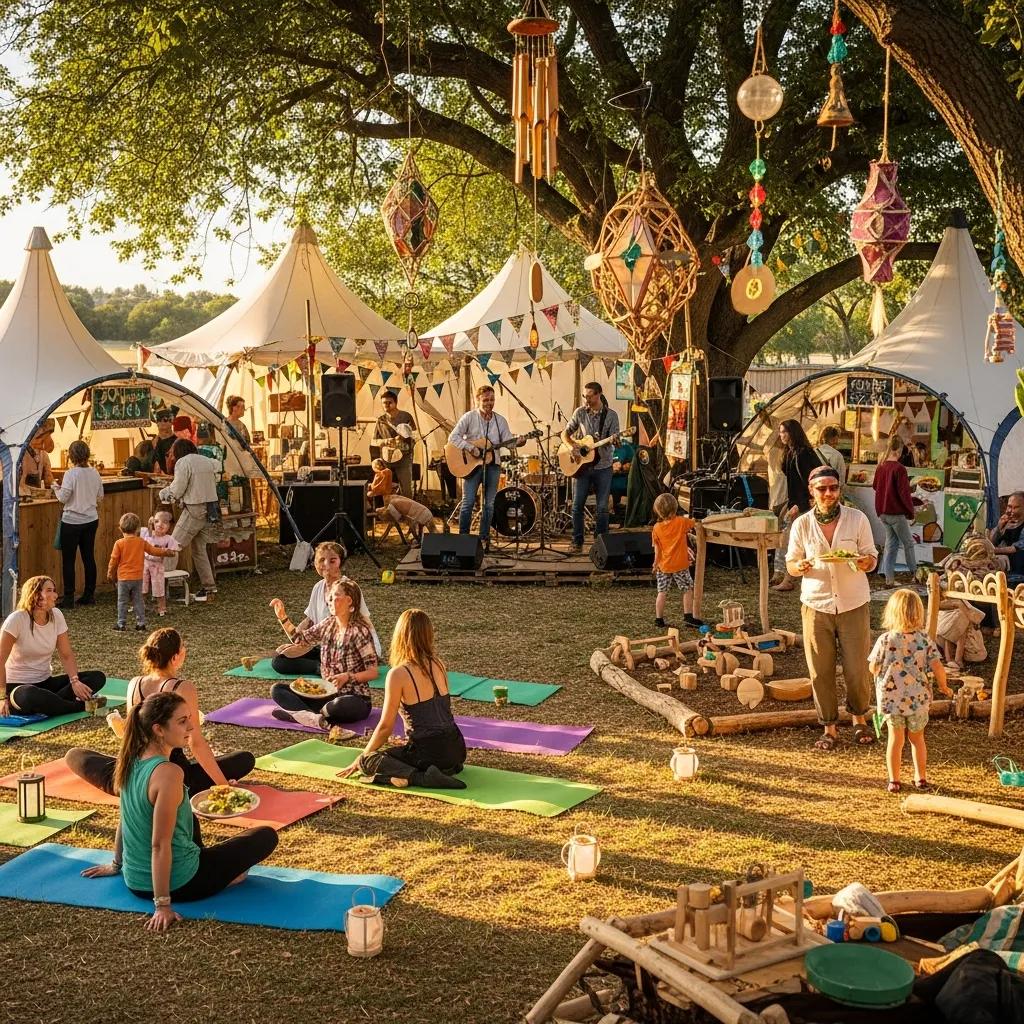
A sustainable festival experience is characterized by its commitment to minimizing environmental impact while maximizing community engagement and enjoyment. These festivals prioritize eco-friendly practices, such as waste reduction, renewable energy use, and local sourcing of materials and food. The importance of sustainability in events cannot be overstated, as it not only helps protect the environment but also fosters a sense of community and shared responsibility among attendees. By creating an atmosphere that encourages sustainable practices, festivals can inspire participants to adopt eco-friendly habits in their daily lives.
Key Principles of Eco Friendly Festivals and Environmental Practices
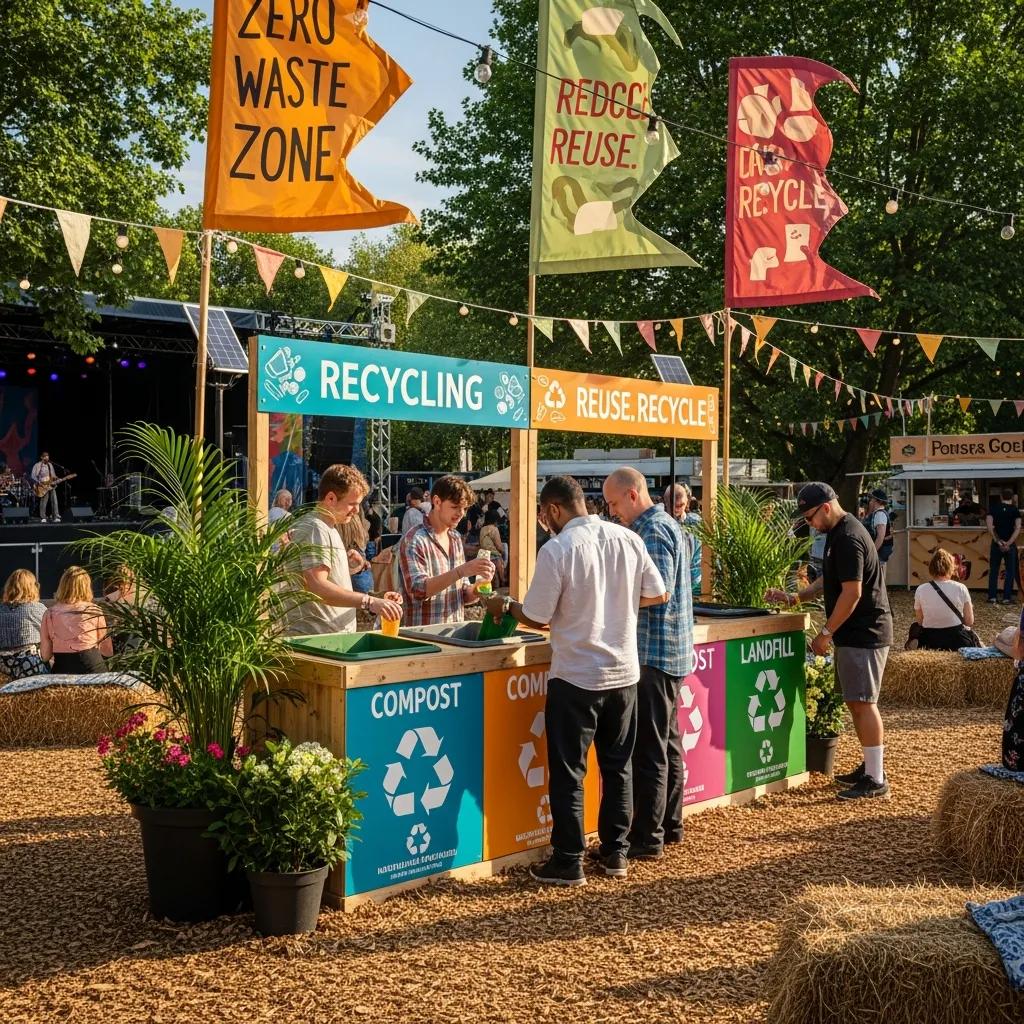
The foundation of eco-friendly festivals rests on several key principles that guide their planning and execution. These principles include:
- Zero Waste: Implementing strategies to minimize waste generation and promote recycling and composting.
- Renewable Energy: Utilizing solar, wind, or other renewable energy sources to power festival operations.
- Community Involvement: Engaging local communities in the planning and execution of the festival to foster a sense of ownership and responsibility.
These principles not only enhance the festival experience but also contribute to broader environmental goals.
How Big Green Gathering Promotes Zero Waste and Renewable Energy
Big Green Gathering exemplifies the commitment to sustainability through its innovative practices. The festival actively promotes zero waste initiatives by providing recycling and composting stations throughout the event. Additionally, it utilizes renewable energy sources, such as solar panels, to power its operations, significantly reducing its carbon footprint. The community impact of these initiatives is profound, as they encourage attendees to adopt similar practices in their own lives, fostering a culture of sustainability beyond the festival grounds.
How Can You Plan and Participate in Sustainable Events?
Planning and participating in sustainable events requires thoughtful consideration and commitment to eco-friendly practices. Here are some essential tips for both organizers and attendees:
- Choose Sustainable Venues: Select locations that prioritize sustainability and have a track record of eco-friendly practices.
- Promote Public Transportation: Encourage attendees to use public transport, carpool, or bike to the event to reduce carbon emissions.
- Offer Eco-Friendly Options: Provide sustainable food and beverage options, as well as reusable or compostable materials.
By following these guidelines, both organizers and attendees can contribute to a more sustainable festival experience.
Essential Green Festival Tips for Attendees and Organizers
Attendees and organizers alike can benefit from practical tips to enhance their sustainable festival experience. Here are some key insights:
- Bring Reusable Items: Attendees should bring reusable water bottles, utensils, and bags to minimize waste.
- Educate Others: Organizers can provide information on sustainable practices and the importance of eco-friendly choices to attendees.
- Encourage Local Participation: Involve local vendors and artists to support the community and reduce transportation emissions.
These tips not only improve the festival experience but also promote a culture of sustainability among participants.
Incorporating Renewable Energy and Zero Waste Strategies in Event Planning
Incorporating renewable energy and zero waste strategies into event planning is essential for creating a sustainable festival. Here are some effective strategies:
- Energy Audits: Conduct energy audits to identify areas where renewable energy can be integrated.
- Waste Management Plans: Develop comprehensive waste management plans that include recycling, composting, and waste reduction strategies.
- Sustainable Partnerships: Collaborate with local businesses and organizations that share a commitment to sustainability.
By implementing these strategies, event planners can significantly reduce the environmental impact of their festivals.
What Healthy Lifestyle Practices Enhance Festival Sustainability?
Healthy lifestyle practices play a crucial role in enhancing the sustainability of festivals. These practices include:
- Mindfulness Activities: Incorporating mindfulness practices, such as yoga and meditation, can promote mental well-being and environmental awareness.
- Healthy Eating Options: Offering nutritious food choices supports attendees’ health and encourages sustainable agriculture.
- Physical Activity Integration: Encouraging physical activities, such as hiking or biking, promotes a healthy lifestyle while reducing carbon emissions.
By integrating these practices, festivals can create a holistic experience that benefits both attendees and the environment.
Integrating Mindfulness, Healthy Eating, and Physical Activity at Festivals
Integrating mindfulness, healthy eating, and physical activity at festivals can enhance the overall experience for attendees. Here are some actionable steps:
- Mindfulness Workshops: Offer workshops that teach mindfulness techniques to help attendees connect with nature and themselves.
- Healthy Food Vendors: Partner with local farms and vendors to provide fresh, organic food options.
- Active Transportation: Encourage attendees to walk or bike to the festival, promoting physical activity and reducing emissions.
These initiatives not only improve the festival atmosphere but also foster a culture of health and sustainability.
Workshops and Community Engagement for Personal Growth and Eco Awareness
Workshops and community engagement play a vital role in promoting personal growth and eco-awareness at festivals. These activities can include:
- Skill-Building Workshops: Offer workshops that teach attendees practical skills, such as gardening, composting, or sustainable cooking.
- Community Discussions: Facilitate discussions on environmental issues and solutions, encouraging attendees to share their experiences and ideas.
- Volunteer Opportunities: Provide opportunities for attendees to volunteer during the festival, fostering a sense of community and shared responsibility.
By engaging attendees in meaningful ways, festivals can inspire lasting change and promote eco-awareness.
How Does Community Engagement Impact Sustainable Festivals?
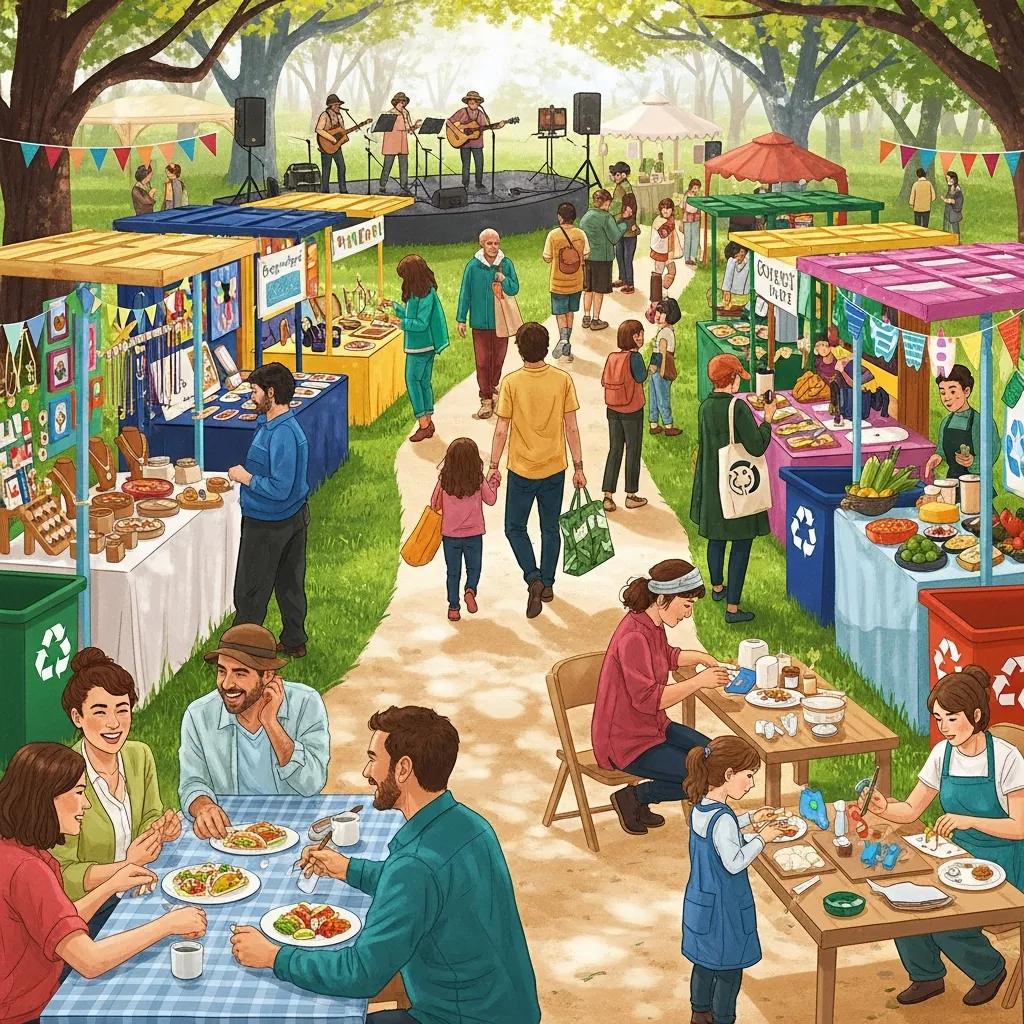
Community engagement is a critical factor in the success of sustainable festivals. The benefits of community involvement include:
- Increased Support: Engaging local communities fosters support for the festival and its initiatives.
- Shared Knowledge: Community members can share their expertise and resources, enhancing the festival experience.
- Long-Term Sustainability: Building relationships with local stakeholders ensures the festival’s sustainability and relevance in the community.
By prioritizing community engagement, festivals can create a more inclusive and impactful experience for all participants.
Building Local Support and Sharing Post-Festival Lifestyle Changes
Building local support and sharing lifestyle changes post-festival are essential for promoting sustainability. Here are some strategies:
- Post-Festival Surveys: Conduct surveys to gather feedback from attendees on their experiences and suggestions for improvement.
- Community Events: Organize follow-up events that encourage attendees to continue their sustainable practices and engage with the community.
- Social Media Campaigns: Utilize social media to share success stories and promote ongoing sustainability efforts.
These strategies help maintain momentum and encourage attendees to adopt sustainable practices in their daily lives.
Case Studies of Community Sustainability Initiatives at Big Green Gathering
Big Green Gathering has implemented several successful sustainability initiatives that serve as case studies for other festivals. Examples include:
- Local Sourcing: The festival sources food and materials from local vendors, reducing transportation emissions and supporting the local economy.
- Waste Reduction Programs: Implementing comprehensive waste reduction programs has led to significant decreases in landfill contributions.
- Community Workshops: Offering workshops on sustainability topics has empowered attendees to make positive changes in their own lives.
These initiatives demonstrate the potential for festivals to drive community sustainability and inspire attendees to adopt eco-friendly practices.
What Are the Latest Trends and Technologies in Sustainable Festival Practices?
The landscape of sustainable festivals is continually evolving, with new trends and technologies emerging. Some of the latest developments include:
- Carbon Neutral Events: Many festivals are adopting carbon neutrality as a goal, utilizing offset programs and renewable energy sources.
- Advanced Renewable Energy Solutions: Innovations in solar and wind energy technologies are making it easier for festivals to power their operations sustainably.
- Environmental Education Initiatives: Festivals are increasingly incorporating educational components that raise awareness about environmental issues and solutions.
These trends highlight the ongoing commitment to sustainability within the festival community and the potential for positive change.
Adoption of Carbon Neutral Events and Advanced Renewable Energy Solutions
The adoption of carbon neutral events is becoming a standard practice among sustainable festivals. This approach involves:
- Carbon Footprint Assessments: Conducting assessments to measure the festival’s carbon footprint and identify areas for improvement.
- Offset Programs: Investing in carbon offset programs to balance emissions generated during the event.
- Renewable Energy Integration: Utilizing renewable energy sources to power festival operations, significantly reducing overall emissions.
Research further emphasizes the importance of carbon offsets in mitigating the environmental impact of large-scale events, particularly concerning attendee travel.
Carbon Offsets for Green Concerts & Festivals
Environmental activism is becoming more widespread as humans are trying to tackle and mitigate climate change. In this paper, we ask how best a band can compensate for the carbon emissions generated by fans travelling to its shows. We first report on the various “green” initiatives and practices of the music industry. We then focus on greenhouse gas emissions that result from tours and concerts since they are one of the largest environmental impacts generated by the music industry.
An economic perspective on rock concerts and climate change: Should carbon offsets compensating emissions be included in the ticket price?, M Connolly, 2016
By prioritizing carbon neutrality, festivals can lead the way in promoting sustainable practices and inspiring attendees to take action.
Innovations in Zero Waste and Environmental Education at Festivals
Innovations in zero waste practices and environmental education are transforming the festival experience. Key innovations include:
- Smart Waste Management Systems: Implementing technology to monitor waste generation and optimize recycling efforts.
- Interactive Educational Exhibits: Creating engaging exhibits that educate attendees about sustainability and encourage eco-friendly behaviors.
- Collaborative Initiatives: Partnering with environmental organizations to enhance educational offerings and promote community involvement.
These innovations not only improve the festival experience but also contribute to a broader understanding of sustainability and environmental stewardship.